
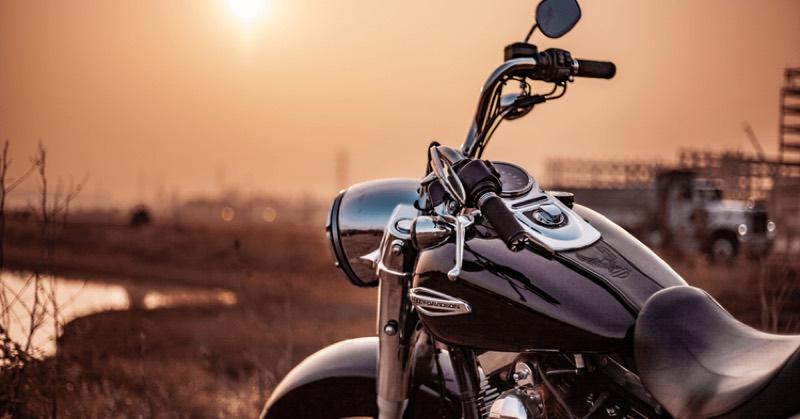
A motorcycle on a car carrier needs things a car never asks for. It rides in a wheel chock, it is held by soft straps at the frame, and the loader has to know where its weak spots are. Our motorcycle shipping page explains how carriers secure a bike. This guide covers the owner's side, meaning what to decide, strip off, photograph and ask in the days before the truck arrives.
Put a number on the bike first
Before you think about straps or trailers, write down what it would cost to replace the bike as it stands today. Count the exhaust, the seat, the bags and any paint or chrome work you paid for. That number decides how the bike should travel, and it is the figure you hold up against the carrier's insurance.
Carrier cargo insurance is written per load. Under Broadway's shipping agreement, assigned carriers carry cargo coverage of $100,000 to $250,000 per load, and that limit covers everything on the trailer together. A stock commuter bike fits inside it easily. A rare or heavily built bike sharing a load with several cars may not. Broadway sends the carrier's insurance certificate before pickup, so compare its limit with your number. If it looks thin, tell your coordinator and the bike goes to a carrier whose policy fits.
Call your own motorcycle insurer too. Ask whether your policy covers the bike while a carrier has it. Cargo policies can carry exclusions and deductibles, and the agreement advises every shipper to check their own coverage before the move.
Choose the method, then the price
There are three ways a bike travels. It can ride on an open deck, which suits a rugged bike on a short, dry route. It can share an enclosed trailer in a chock with soft straps, which keeps weather and road grit off. Or it can go in a purpose-built crate, which is the safest option for a collector bike or a long run.
Broadway quotes each bike on its route and method, since distance and crating move the price more than the model does. Nothing is due until a carrier is dispatched, and the quote is held for 14 days in writing. If you are weighing open against enclosed for a car on the same move, our open versus enclosed comparison lays out the tradeoff.
These are the questions worth asking your coordinator before you book:
- Will the bike ride in a wheel chock, and where on the frame will the straps attach?
- What does enclosed or crated cost on my route compared with an open spot?
- What is the assigned carrier's cargo limit, and when will I see the certificate?
- Can a 75-foot carrier reach my street, or should I plan to meet the driver at a lot nearby?
Know the number before you plan around it
Route-exact price in about 30 seconds. No payment details, locked 14 days.
Prep the bike in one evening
Start by removing anything that can fall off or walk off. That means the tank bag, phone and GPS mounts, tail bag, top case, and any saddlebags that unclip. Helmets, jackets and tools should travel with you or ship separately. Personal items are not covered by the carrier's cargo insurance, so the bike should leave empty.
Fold the mirrors in or take them off. Leave the fuel low. Disarm the alarm and hand the driver the key, along with the fob if the alarm needs one.
Then look for leaks. Park the bike overnight on clean concrete or cardboard and check the ground in the morning. Weeping fork seals and oil drips matter here, because the shipping agreement lets a carrier refuse or charge extra for a vehicle that is leaking fluids. Fix it or tell your coordinator before pickup day.
Finally, write a short note for the loader. Mention a kickstand that sits at an odd angle, lowered suspension, a fragile fairing, an aftermarket exhaust, a steering lock, or a trick to finding neutral. Hand it to the driver at pickup rather than taping it to the tank, where tape can mark the paint. If the bike does not start, say so when you book. A non-running bike loads differently, and inoperable vehicle transport explains how those moves work.
Photograph it as if you will need to prove it
A motorcycle has more exposed, expensive surface per dollar than most cars, and the parts that get hurt are small. Take these shots in daylight with timestamps on:
- Both sides full length, plus straight on from the front and rear
- The tank from the top and both sides
- Each fairing panel, including the mounting tabs
- Levers, bar ends and mirrors
- Exhaust pipes and heat shields
- The odometer with the ignition on, and the VIN
- Close-ups of every scratch or chip that is already there
The driver also photographs the bike at loading. Your set is your own record, and you will take the same shots again at delivery.
Pickup and delivery day
The driver calls about 24 hours before pickup, and your coordinator texts the pickup window the day before. You, or an adult you name, walk the bike with the driver and sign the Bill of Lading. Read the condition notes before you sign and make sure existing marks are written down.
Watch the bike go into the chock and see where the straps land. They belong on the frame or lower triple clamp. If a strap is headed over the handlebars or the seat, ask the driver to move it.
On a long route, one driver covers about 400 to 500 miles a day, and a coast-to-coast bike takes 7 to 10 days. Weather can add days to that, but it does not add dollars to your price.
At delivery, walk the bike with your photos open on your phone before you sign anything. Under the shipping agreement, damage that is not noted on the Bill of Lading before the driver leaves is waived, and claims must reach the carrier in writing within 15 days of delivery. If you see something, write it on the form, photograph it, and tell your coordinator that day.
If the trip is tied to a rally date, book well ahead. Our post on the biggest motorcycle rallies in the US lists when they run. To price your route, get a quote or call (917) 594-5566.